A rare Highland habitat is set to return to the slopes of Cairngorm Mountain thanks to a major new partnership project being led by the Spey Catchment Initiative.
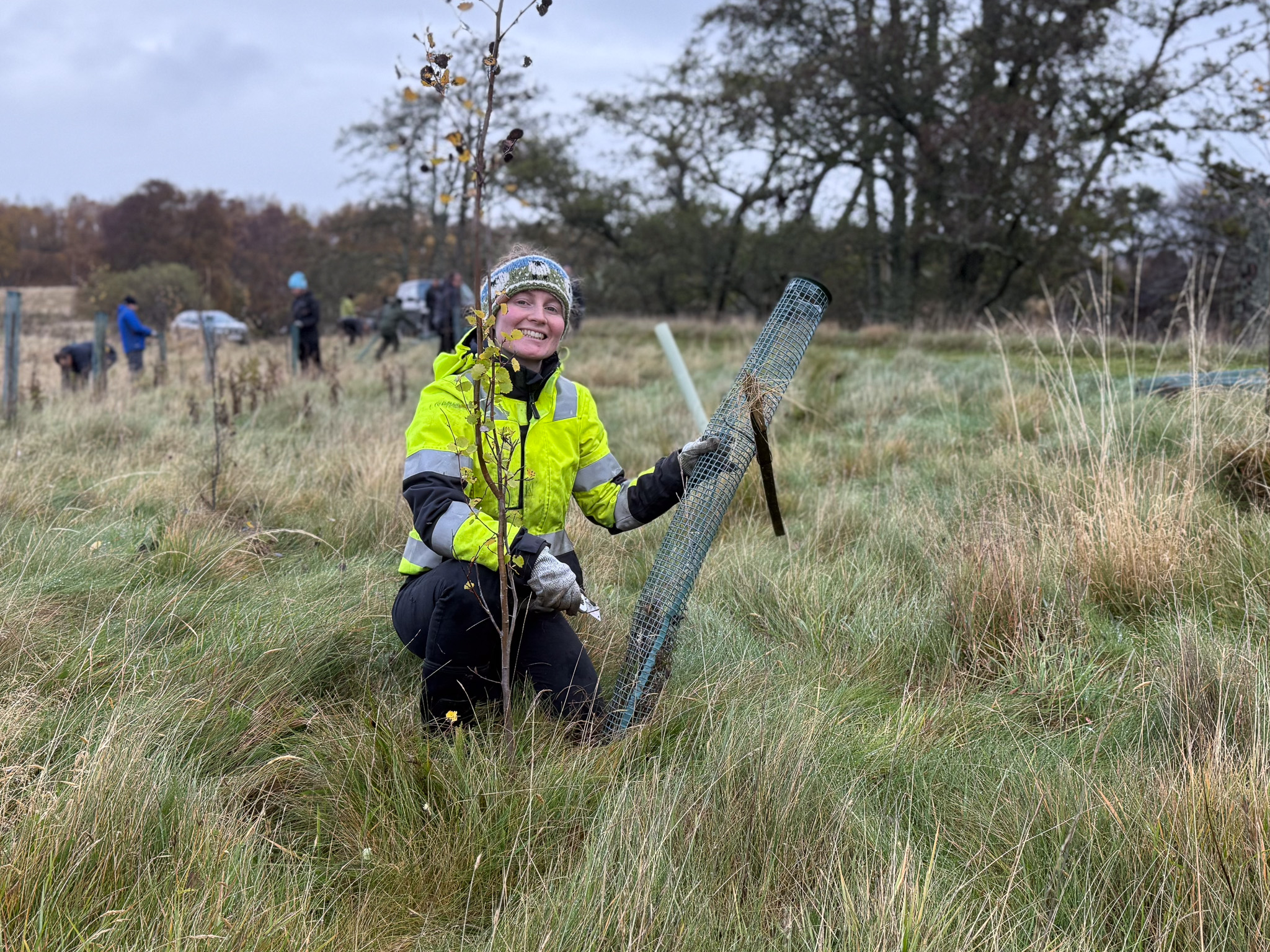
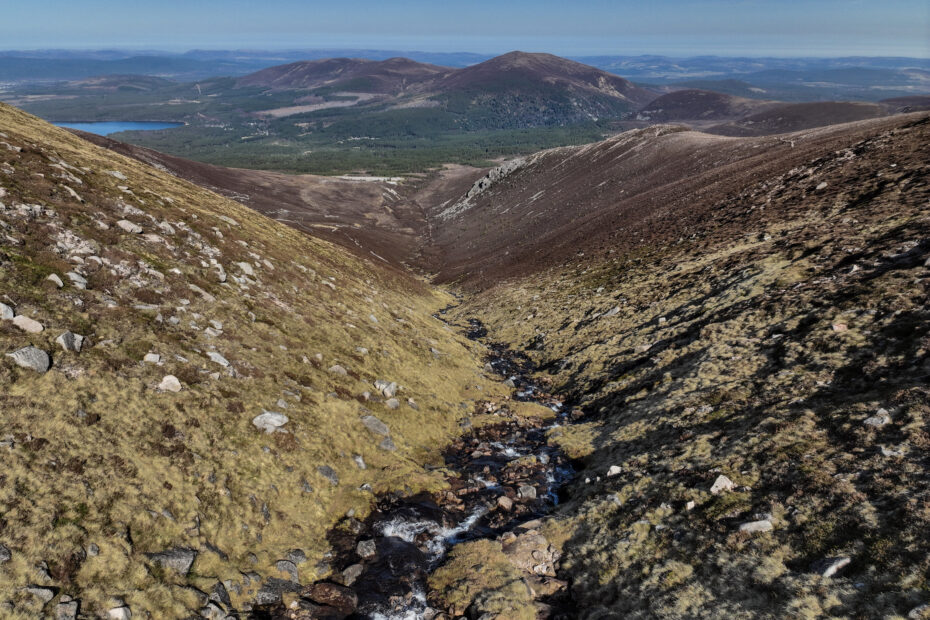
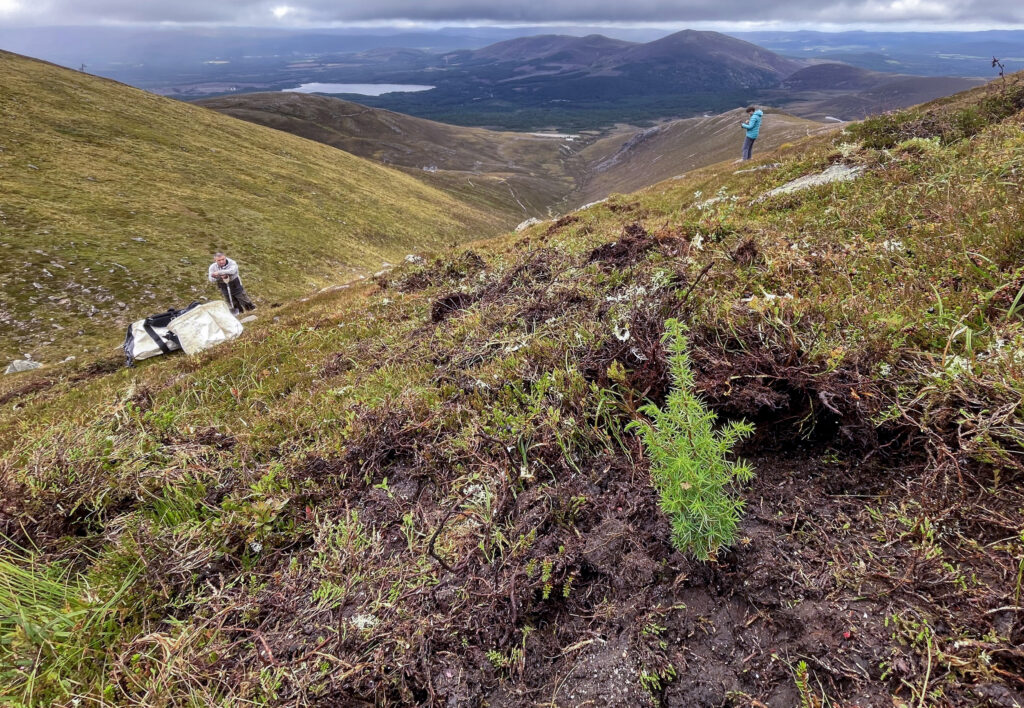
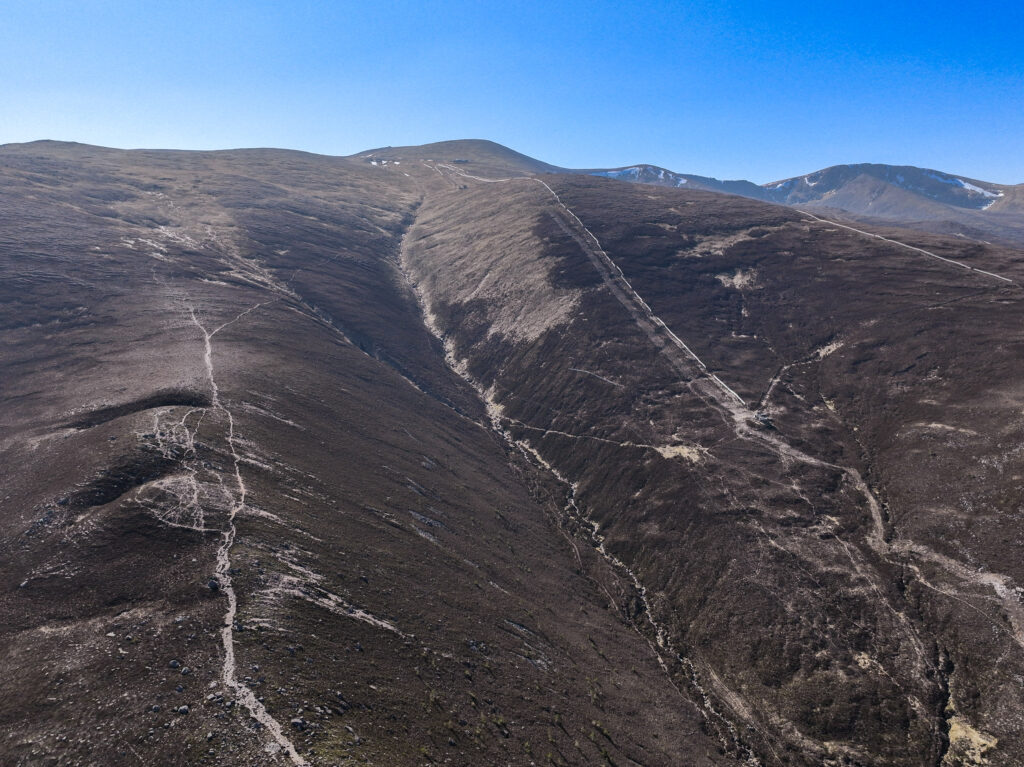
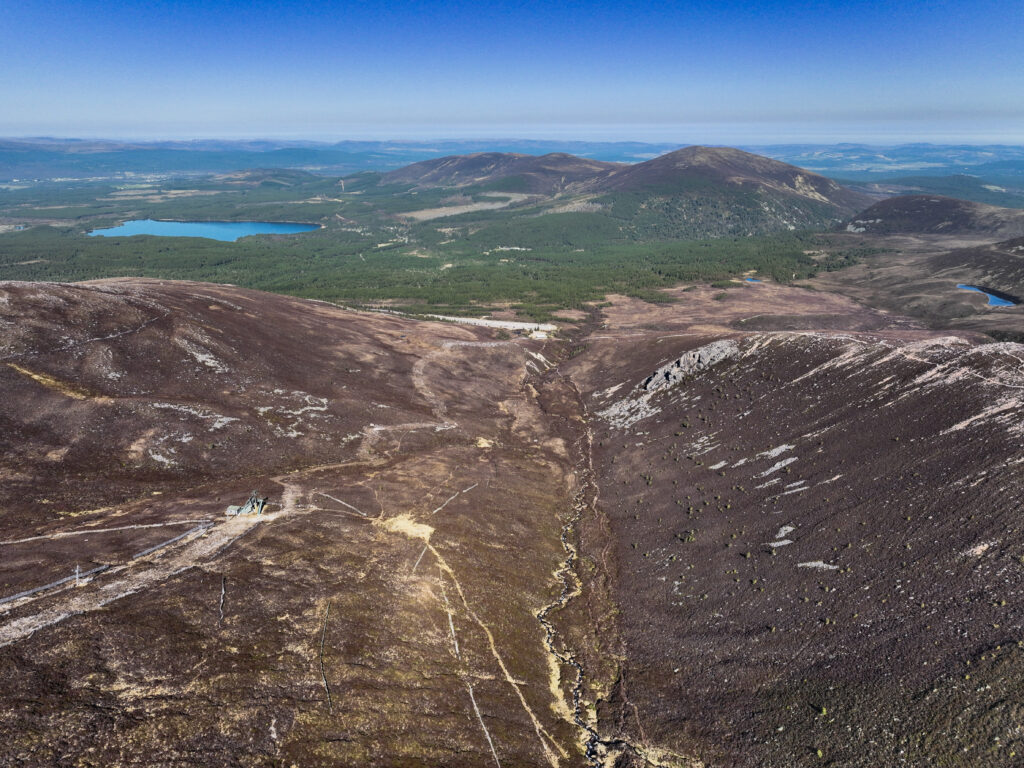
The Coire na Ciste Montane Woodland Project will see 30,000 native trees and shrubs planted in the dramatic high-altitude landscape of Coire na Ciste – one of Scotland’s most iconic mountain environments. The work will begin in August 2025, making this the first woodland restoration project of its kind and scale on Cairngorm Mountain, and one of the highest woodland creation efforts ever undertaken in Scotland.
Montane woodland is virtually extinct in Scotland. Of all native woodland in the Highlands, only around 4% occurs above 400 metres, making it one of our most fragmented and vulnerable natural habitats. This project aims to reverse that decline by restoring species such as dwarf birch, downy birch, and montane willows, all suited to the exposed conditions found above 600 metres.
“As temperatures rise, these high-altitude woodlands will act as vital climate refuges for wildlife that might otherwise have nowhere else to go,” said Penny Lawson, Principal Project Officer at the Spey Catchment Initiative.
“This project will create essential habitat for rare species, help cool rivers, and connect fragmented upland ecosystems – it’s a powerful example of nature-based climate action in one of the most special places in Scotland.”
The project will bring a range of long-term benefits to this upland environment, including:
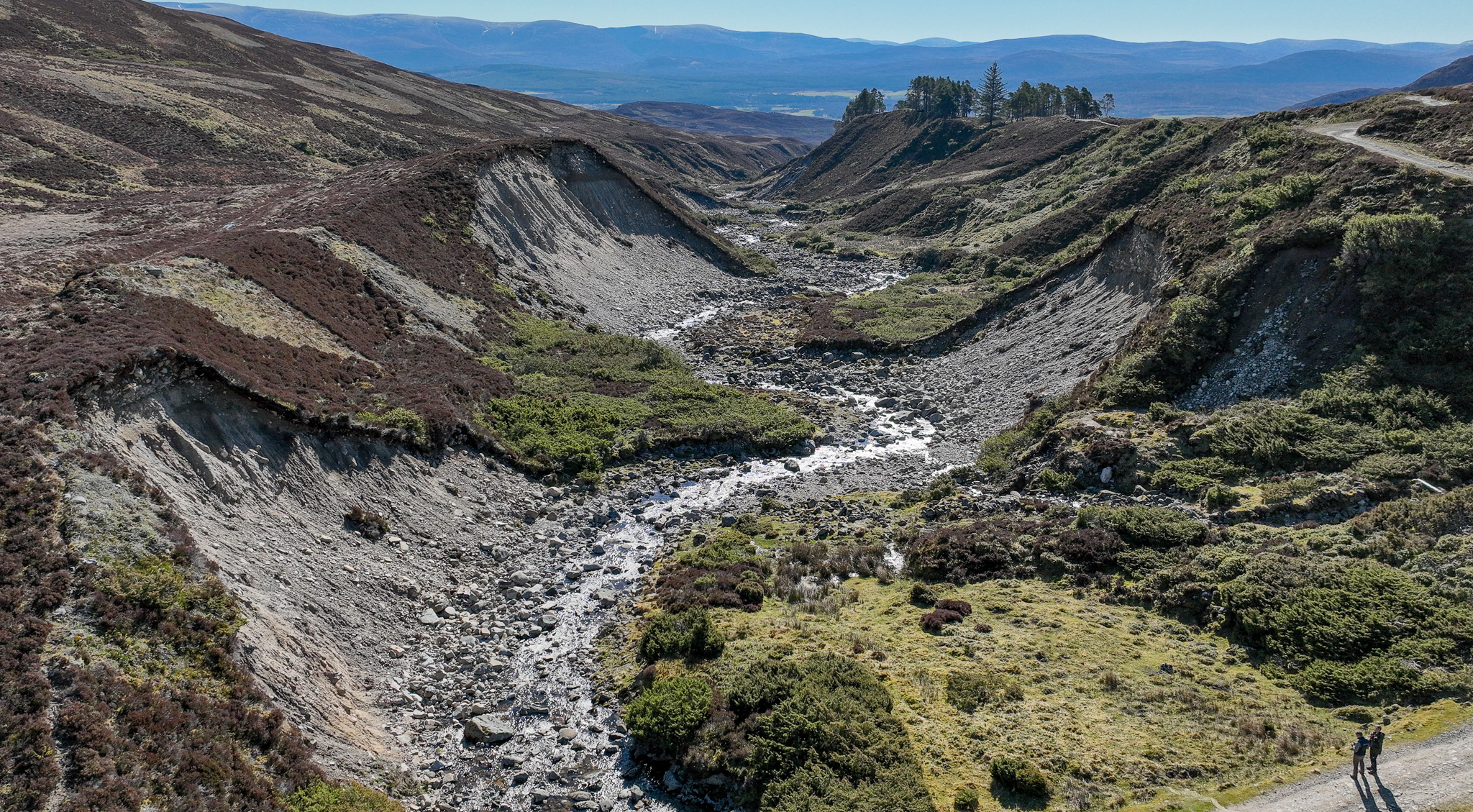
- Shading and cooling of the Allt na Ciste burn, which will help regulate water temperature
- Improved soil stability and reduced erosion on exposed slopes
- Shelter and food sources for iconic upland species such as ring ouzel, snow bunting, and mountain hare
- A new seed source to support natural woodland expansion and create a more natural treeline
- Stronger landscape connectivity with existing native woodland in Glenmore Forest Park to the south
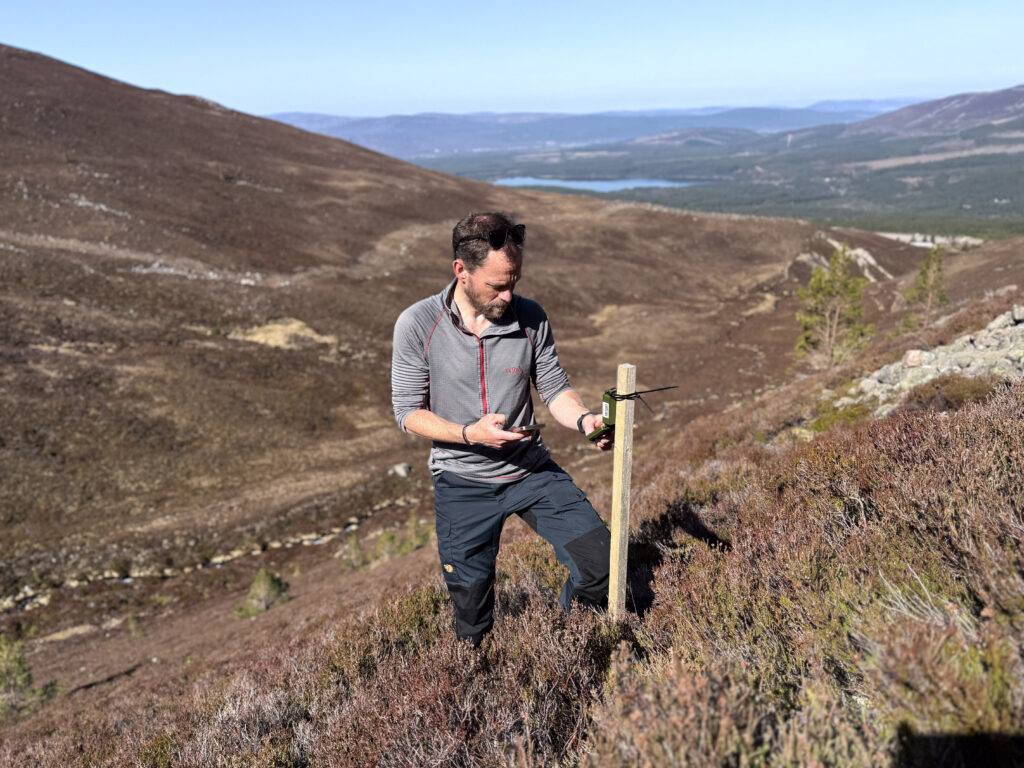
As well as habitat restoration, the site will act as a demonstration area for future high-altitude planting efforts, with monitoring in place to study ecological impacts over time. An acoustic bird monitoring device has already been installed by the Cairngorms National Park Authority to track changes in bird populations as the woodland develops.
“This is an exciting opportunity to restore a vanishingly rare habitat,” said David Hetherington, Nature Networks Manager at the Cairngorms National Park Authority. “It will extend native woodland from the banks of the Spey right into the Cairngorms, benefiting both freshwater and mountain ecosystems.”
Paul Dzialdowski, Property Portfolio Manager at Highlands and Islands Enterprise, added:
“We’re proud to support this project, which will have a lasting positive impact on this fragile mountain environment for generations to come.”
Jim Cornfoot, Land Manager at Cairngorm Mountain (Scotland) Ltd., said:
“This planting will enhance mountain biodiversity and build on existing restoration work at Cairngorm. It may even support better snow retention on lower ski slopes in future years.”
The Coire na Ciste Montane Woodland Project is being delivered by the Spey Catchment Initiative in collaboration with Cairngorm Mountain (Scotland) Ltd., the Cairngorms National Park Authority, and Highlands and Islands Enterprise, who own the land. Funding has been provided by the Cairngorms National Park Authority as part of its support for nature restoration across the Park.
The project supports wider landscape-scale efforts to build climate resilience and ecological recovery across the Cairngorms and contributes to key strategies including the Cairngorms National Park Partnership Plan, HIE’s Cairngorm Masterplan, and the SCI’s wider catchment goals.
Read the full press release here: https://speycatchment.org/wp-content/uploads/2025/04/Cairngorm-Mountain_Coire-na-Ciste_Press-Release_April-2025.pdf